
Ebenezer Chapel-A Stone of Help
/
architect drawing of the underground Ebenezer chapel to be built along the Richland Creek greenway near Ebenezer church road
Alpha & Omega Group is thrilled to be part of the engineering team for an exciting project in North Raleigh – an underground chapel, cut from a deep layer of granite. Ebenezer Chapel is the dream of project developer Mark Boone, who believes that God works miracles. He ponders the future and loves to study history. As the founder of the Raleigh-based Markus Group, Ltd., a contract manufacturer of medical and consumer goods, he has more than 40 years of business experience and traveling the world.
The underground Ebenezer Chapel will be on Ebenezer Church Road in Raleigh, along the proposed Richland Creek greenway trail. "Ebenezer" means "stone of help," as referenced from 1 Samuel 7:12.
Xavier Vilalta, of Vilalta Arquitectura, is the lead designer. As a distinguished international architect, he specializes in combining technology with local resources and culture to create contemporary designs that suit their environment. His design for the walkway into the chapel spirals downward, "like the cochlea of a human ear," descending into granite and leading to a space that can hold 250 people. "We want visitors to breathe in, find places to stop and think, pray and feel closer to God," reads the text on the project website.
Mr. Boone's hope is that the chapel will endure for thousands of years. Alpha and Omega Group typically designs bridges that we hope will last 100 years, so we are inspired and awed to consider a structure being built in the 21st century that will stand the test of time like the pyramids of Egypt, the Great Wall of China, or the oldest cathedrals of Europe. When we look at those structures now, we consider the people who designed and built them. We ponder their culture and marvel at their creativity and their advanced engineering abilities. We speculate about their motivations. Similarly, Mr. Boone wants to leave something for people 3,000 years from now to understand us.
- What mattered to us?
- What was important day to day, generation to generation?
- How were we similar despite the plurality of "us?"
- What were the things that took up our time, inspired us, worried us, fueled our creativity and touched our humanity?
- People in 5016 are likely to know us just as we know those who lived 3000 years ago: by studying the architecture that remains.
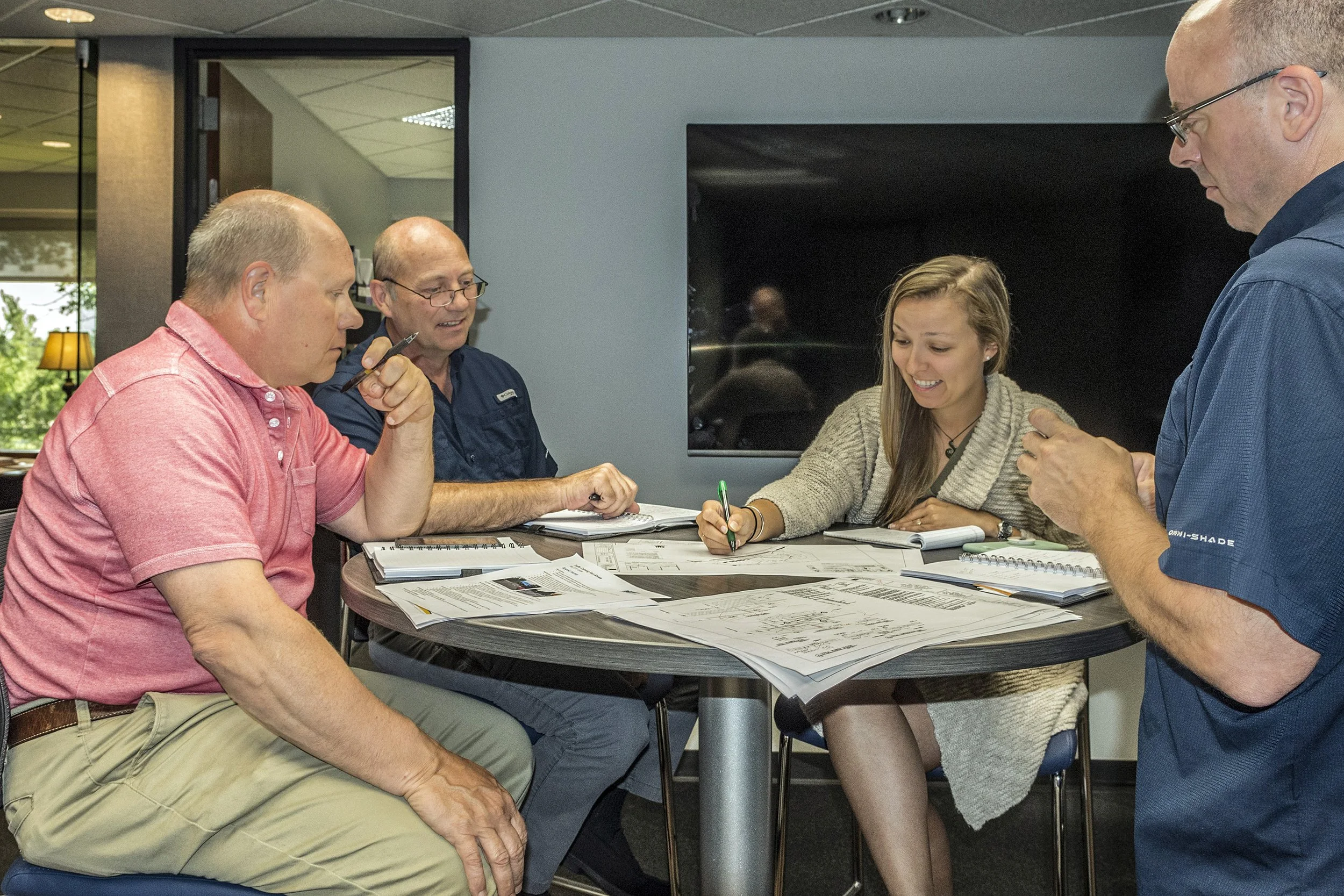
Bringing the Ebenezer Chapel from dream to reality will require the creativity and skills of many people of different disciplines. Pastors, architects, sociologists, artists, lighting experts, and horticulturalists will be involved. Alpha & Omega Group will support the project by providing structural engineering services. The plan is being developed, but funding is needed. To learn more about the vision for this project, we invite you to visit the website.