
Summer Resilience: Structures and the Heat
/When considering the effect of weather on structures, we think of extreme events such as storms. A pedestrian or roadway bridge can easily be washed out or suffer from damage due to high winds, rising water, and even debris. What we often don’t consider is the threat that the North Carolina summers can be to bridges. Heat can make roads buckle, concrete crack, and even greenway bridges suffer warping and deteriorate quickly. While not as obvious as the danger of flooding, heat is something that must also be prepared for.
Pedestrian Bridges
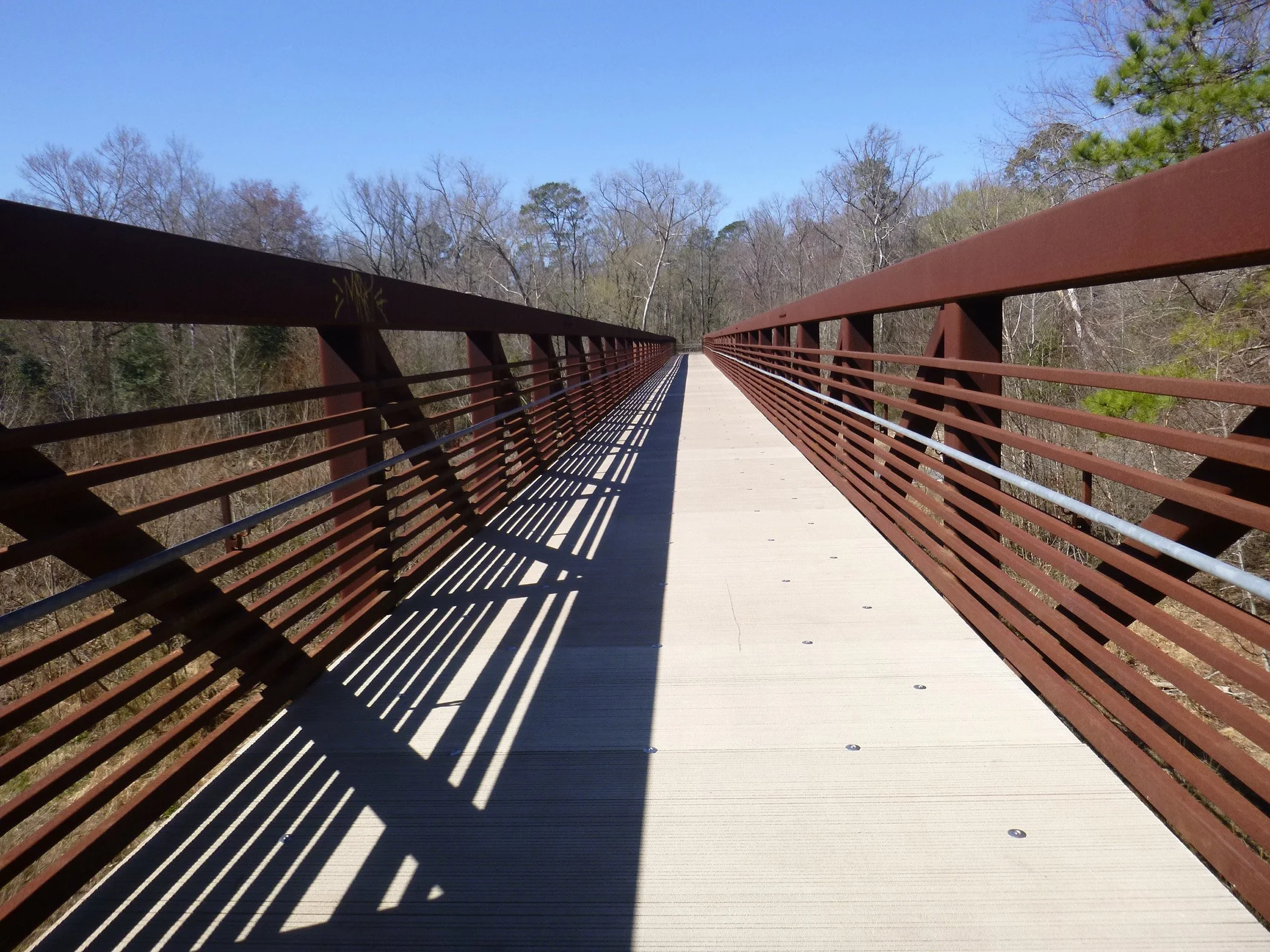
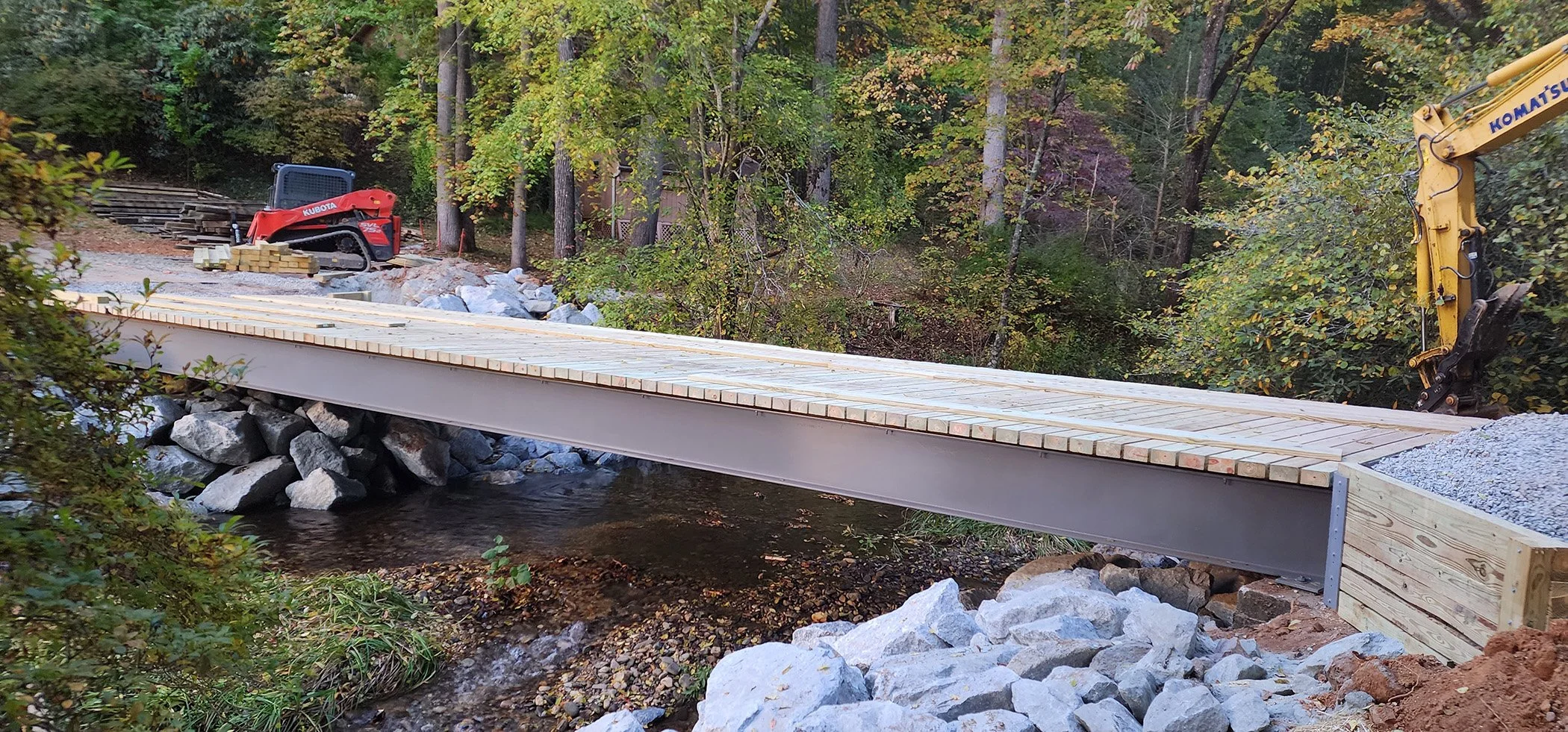
RFP decking on a pedestrian bridge in raleigh
While pedestrian bridges will be affected by the heat, those effects will often vary based on the material of the bridge. Metal bridges expand and contract with the weather, which can wear out joints and cause potential collapses. Heat can cause concrete to start to crack and can even make wooden bridges more likely to rot. Wooden bridges can also swell, which can cause warping. Another potential danger to pedestrians is the possibility of the material overheating and burning bare feet. To create more heat-resistant structures, many municipalities, such as the City of Raleigh, are slowly replacing their existing greenway bridges with materials such as composites or FRP (Fiber-Reinforced Polymer) which are more resilient against temperature changes.
Roadway Bridges
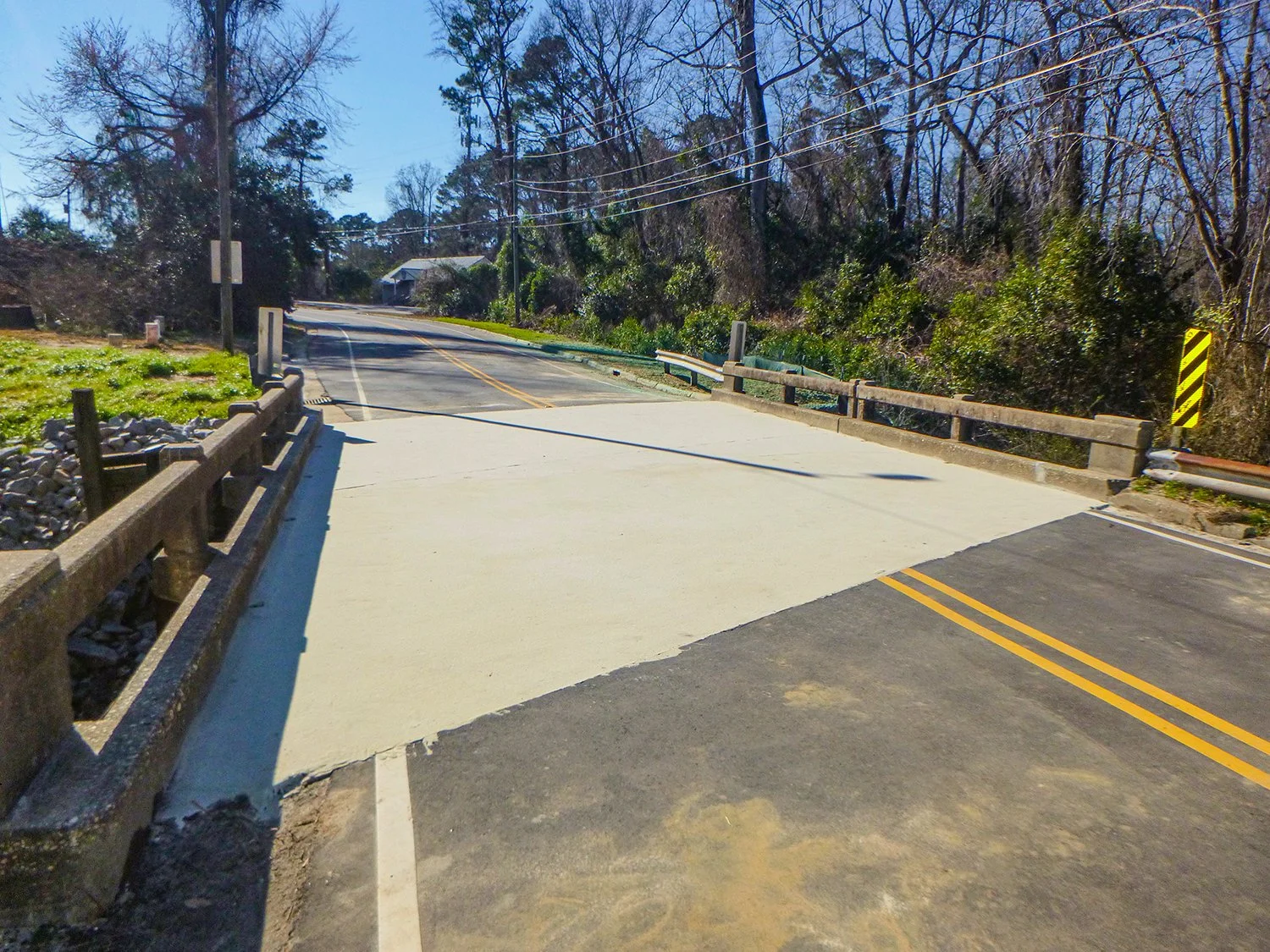
A recently repaired roadway bridge in fayetteville
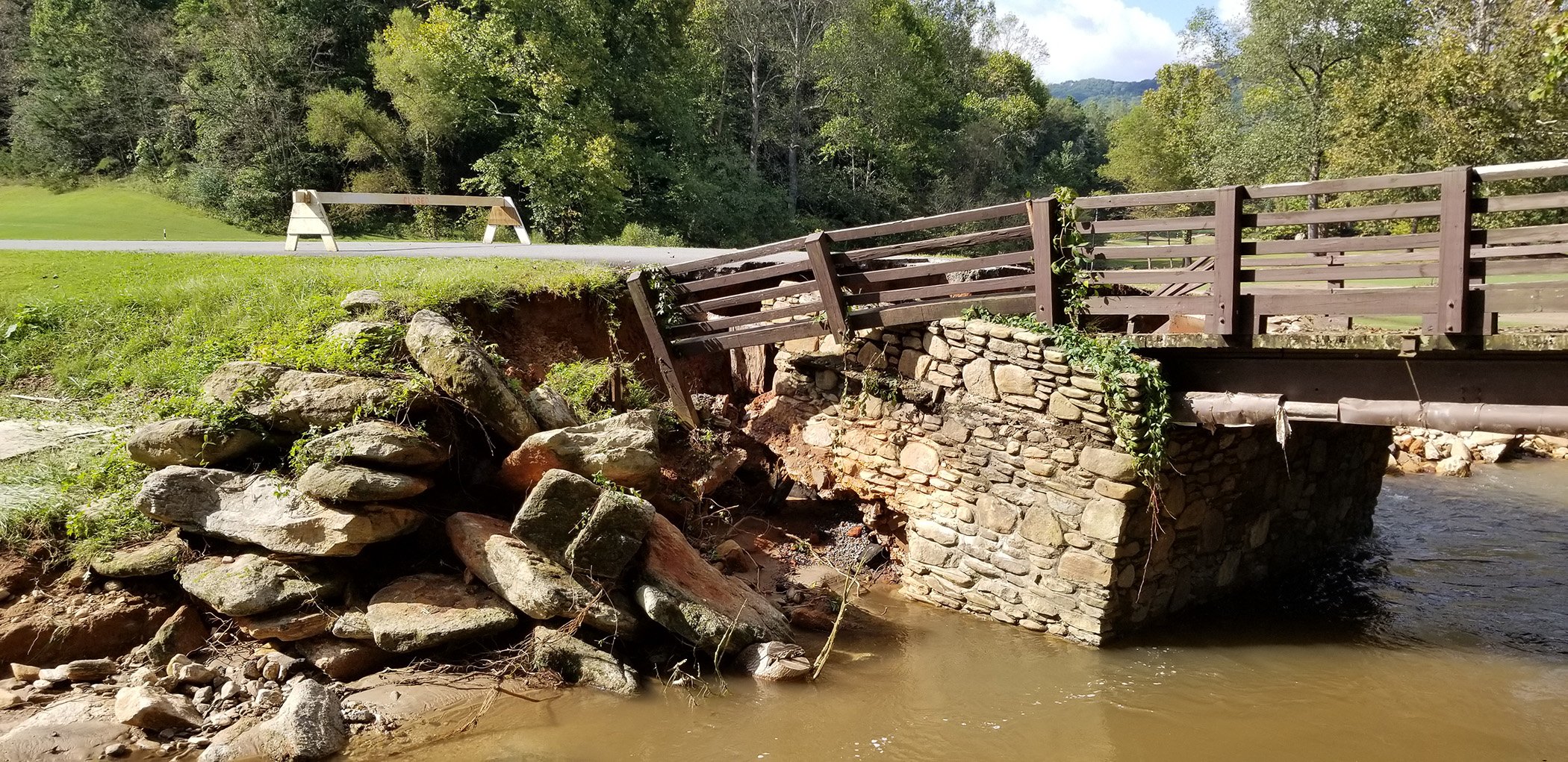
Roadway bridges face similar issues to pedestrian bridges with the additional problem of the age of the structures. Many of the bridges in North Carolina, particularly in the Western Region, are fifty or more years old. These bridges are reaching the end of their service life, and many are suffering from the strain of years of routine use as well as heatwaves that they were not designed to endure. When the metal in older roadway bridges expands and contracts with heat, it can wear out joints, cause concrete to crack, and, with enough time, make a bridge failure more likely. To prevent this, frequent inspections and planned maintenance of existing bridges are necessary. However, even the most well-maintained bridge eventually will require replacement. When that happens, the new bridges must be designed to flex more easily with heat changes and with materials better able to withstand the North Carolina Climate.
Culverts
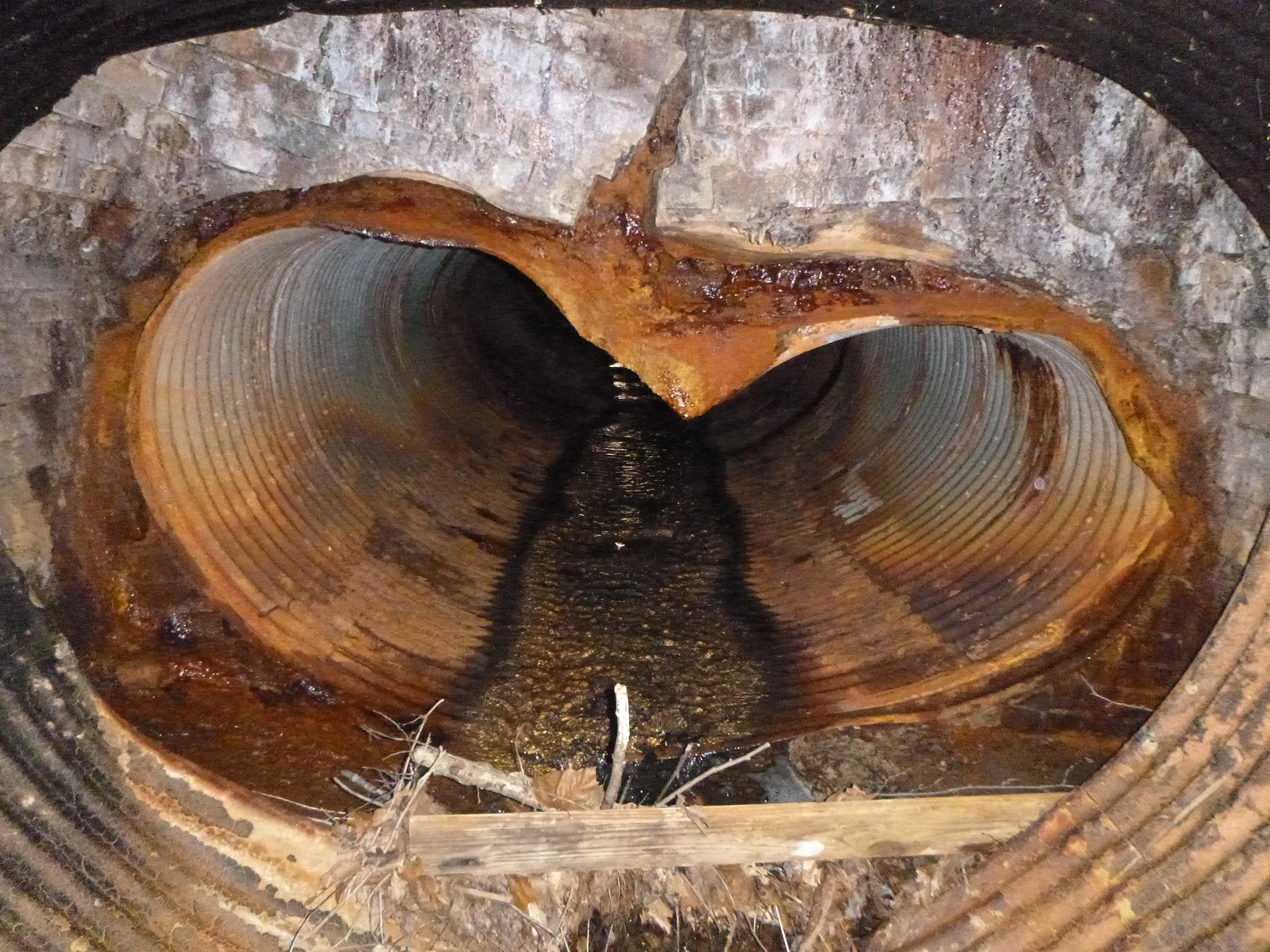
A deteriorating culvert interior
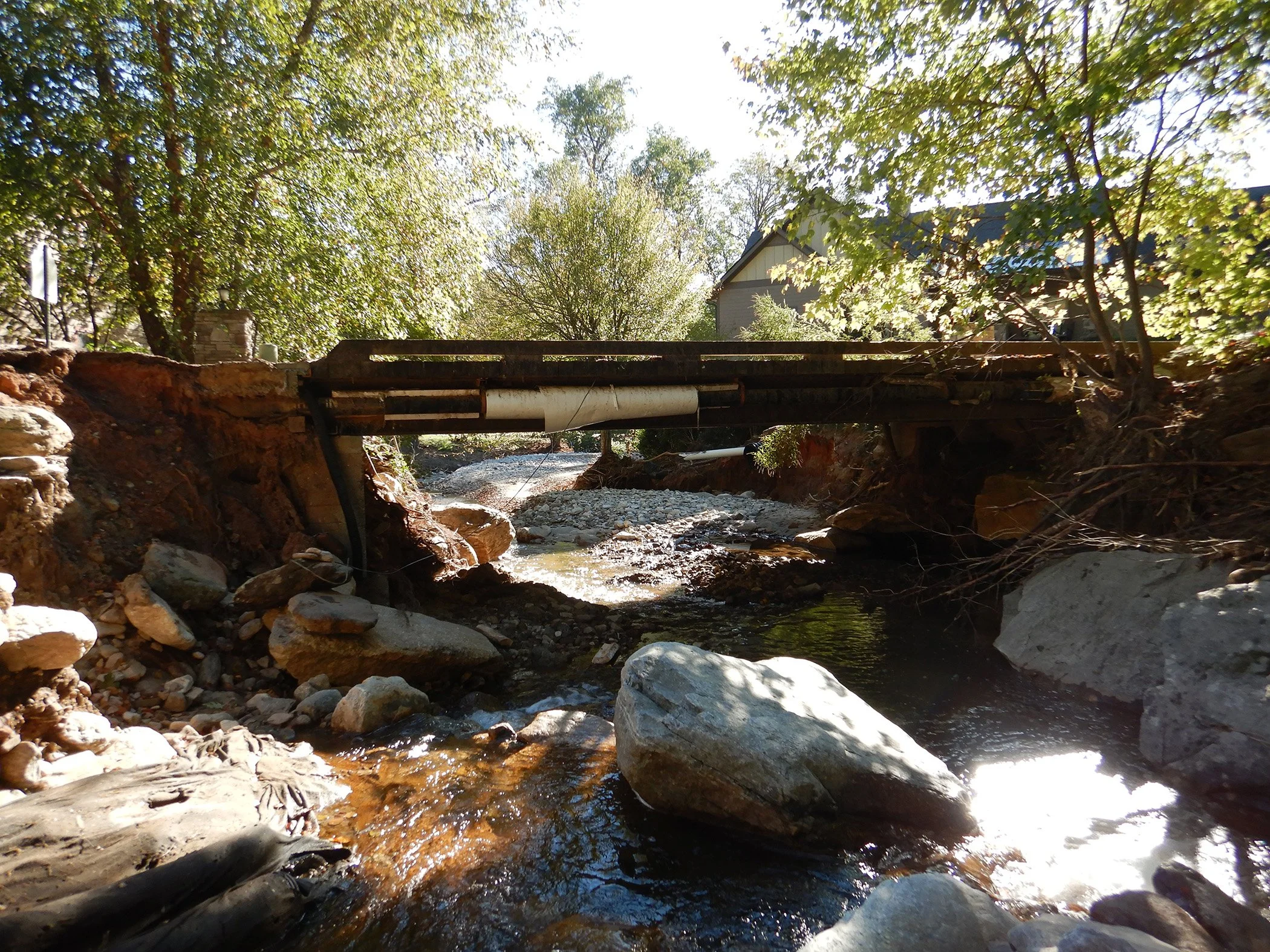
In addition to wear and tear based on use and the materials expanding, culverts face an additional issue: water. During summers in North Carolina, the extra flow from storms and hurricanes can cause culverts to flood. At the same time the chemicals from road runoff combined with the stress from heat and humidity can cause concrete and metal to deteriorate faster than they would have otherwise. This can lead to sinkholes that can cause an entire culvert to be out of commission while replacements take place. To better prevent washouts, sinkholes, and other failures, culverts require regular assessments, we design with larger boxes and pipes and higher performance reinforced concrete. These changes can withstand both the increased flow from more floods as well as the fluctuations from the heat.
As the summers only seem to be getting hotter, start earlier, and end later, how we design and assess structures has to change. Resilient design is not just structures and roadways that can withstand major floods or extreme storms events. It also includes the ability for a bridge to swell with a heatwave, a pedestrian structure to be walked over in bare feet without burns, and a culvert to allow a regular, increased flow. If you want to learn more about how we’ve designed more heat-resistant structures, please visit our page for the City of Raleigh Decking Replacements.